
 admin
admin If you’ve ever opened a news app and seen headlines screaming about dramatic rises or stomach-churning drops, you’re not alone. Digital money has a way of grabbing attention, and the value attached to it often feels like a roller coaster everyone is watching together.
But what does that number really represent? Why does it change so quickly? And more importantly, what does it mean for you, whether you’re curious, cautious, or already involved?
Let’s unpack it in plain English. No technical background required. Think of this as a friendly walk through a busy market where prices change by the minute and emotions travel faster than facts.
What Is Bitcoin, and Why Does Its Value Capture So Much Attention?
At its heart, this digital asset is a form of money that lives on the internet. No physical coins, no central bank, and no single company running the show. Instead, it’s maintained by a global network of computers.
So why does its value matter so much?
Because that number influences:
How investors feel
How businesses plan
How governments react
Whether newcomers feel excited or nervous
When the value climbs, confidence tends to grow. When it falls, fear often spreads. It becomes a kind of emotional thermometer for the entire crypto world.
How Is the Price Determined?
Unlike traditional currencies that may be guided by central banks, this market runs largely on supply and demand.
Buyers vs. sellers
If more people want to buy than sell, the value rises. If more want to sell, it drops. Simple, right?
Picture an auction. The more hands in the air, the higher the bids go.
Global marketplaces
Trading happens on platforms around the world, 24/7. There’s no closing bell. While you sleep, someone else is making a move.
Expectations of the future
People don’t just trade based on today. They bet on what they think might happen tomorrow, next month, or even years from now.
A Quick Look at Historical Trends
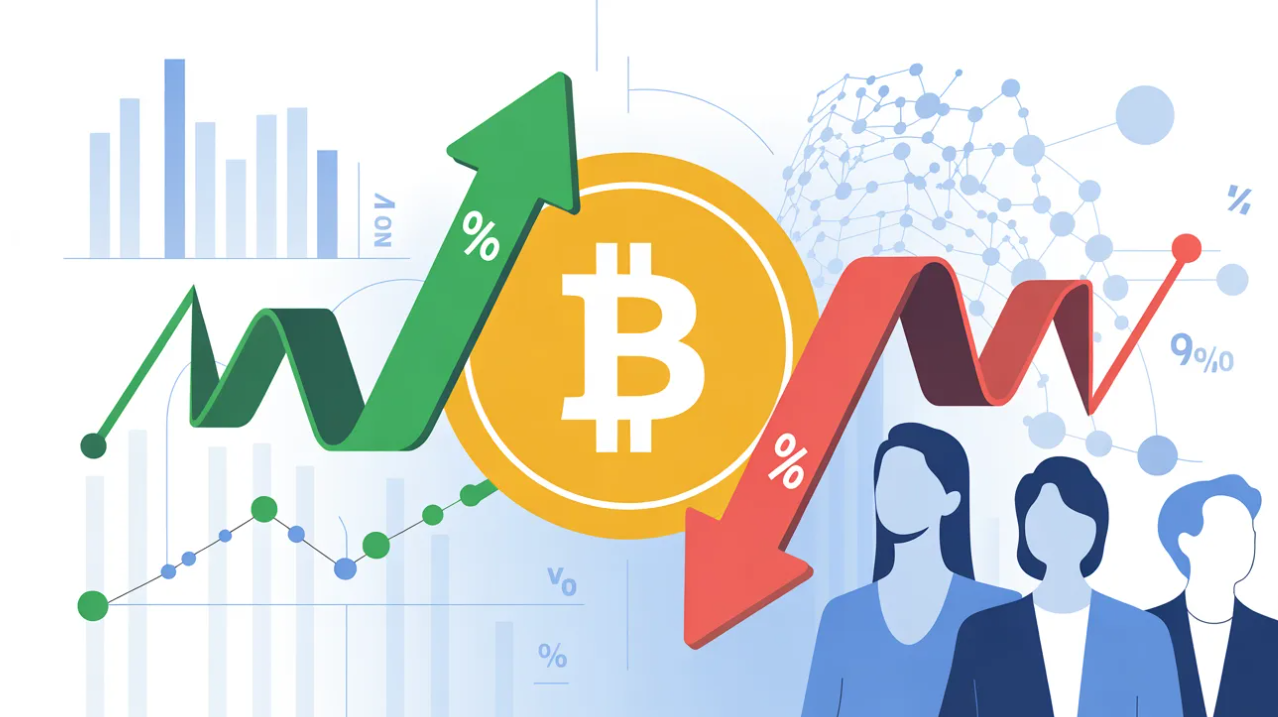
The journey has been anything but boring.
There have been periods of explosive growth where early adopters looked like geniuses. There have also been deep crashes that tested nerves and emptied portfolios.
What stands out most is volatility. Big swings are normal. Calm, steady movement is the exception.
If you zoom out, you’ll notice cycles: excitement builds, prices surge, correction hits, recovery follows, and the story repeats.
Why Does the Market Move So Fast?
Ever wonder why changes can happen within minutes?
News travels instantly
A rumor, a regulation update, or a tweet from a famous figure can spark massive reactions.
Emotion drives action
Fear and greed are powerful. When people panic, they rush for the exit. When they feel optimistic, they pile in.
Leverage and liquidations
Many traders borrow money to amplify bets. When the market goes against them, forced selling can push values down even faster.
It’s like dominoes—once they start falling, momentum builds quickly.
The Role of Media and Social Buzz
Let’s be honest: headlines matter.
When stories focus on overnight millionaires, curiosity spikes. When reports highlight hacks or restrictions, caution rises.
Social platforms amplify everything. A single viral post can influence thousands, sometimes millions, of decisions within hours.
You might think of it as digital word-of-mouth on steroids.
Scarcity: The Built-In Limit
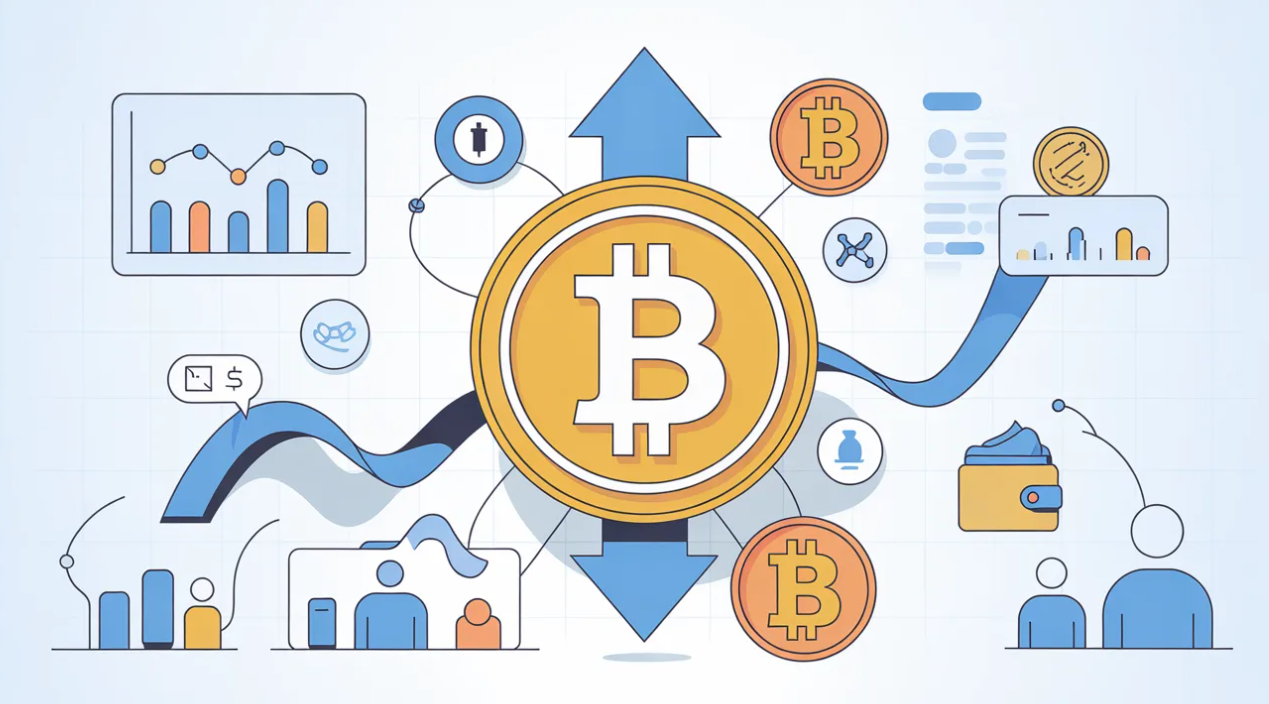
One of the most talked-about features is the fixed supply. Only a certain number will ever exist.
Why scarcity influences value
When something is limited, people often see it as more desirable. Think of rare art or collectible sneakers.
Halving events
From time to time, the reward for creating new coins is reduced. This slows the rate of new supply entering the market, which many believe can affect long-term trends.
Institutional Interest and Big Players
In earlier years, participation came mostly from tech enthusiasts and small investors. That picture has changed.
Large funds, corporations, and even financial institutions have stepped in. Their involvement can bring:
Greater legitimacy
Larger trade volumes
Stronger reactions to macroeconomic events
When big money moves, ripples become waves.
Government Policies and Regulation
Rules can shape markets dramatically.
Supportive environments
Friendly regulations may encourage innovation and investment.
Restrictions or bans
Tough policies can limit access or create uncertainty, often leading to sudden drops.
Because laws differ from country to country, global reactions can be complex and sometimes unpredictable.
Adoption in Everyday Life
Here’s a big question: can you actually use it?
The answer is increasingly yes. Some businesses accept it for payments, others hold it as a reserve asset, and financial services continue to expand.
Greater real-world use can strengthen confidence. When people see practical value, speculation starts to share space with utility.
Mining, Energy, and Production Costs
New coins don’t just appear magically. They’re created through a competitive process that requires computing power.
Why production matters
When costs rise—like electricity or hardware—miners may need higher market values to remain profitable.
Network security
The effort required to produce new supply also protects the system, adding another layer of perceived worth.
Is It a Store of Value or a Risky Bet?
Opinions vary wildly.
Some people see digital gold—a hedge against inflation and currency weakness. Others view it as a speculative asset prone to bubbles.
Both perspectives influence behavior. Believers tend to hold for the long term. Traders may jump in and out quickly.
You might ask yourself: which camp feels closer to your mindset?
How Should Everyday People Think About It?
Let’s bring this home.
If you’re watching from the sidelines, it helps to remember that dramatic gains often come with equally dramatic pullbacks.
A helpful metaphor? Imagine the ocean. Waves rise and crash, but the water remains. Short-term motion can be wild, while long-term direction tells a broader story.
Understanding your comfort with risk is crucial. No opportunity is worth sleepless nights.
Tools People Use to Follow Movements
Today, tracking the market is easier than ever.
Mobile apps
Exchange dashboards
Alert systems
Analytical platforms
These tools provide real-time data, historical charts, and insights that once belonged only to professionals.
But remember, information can guide you—it can’t guarantee outcomes.
Common Myths That Confuse Newcomers
Let’s clear a few things up.
“It only goes up.”
History says otherwise. Drops can be sharp and fast.
“I missed my chance.”
Markets evolve. Opportunities look different over time.
“It’s anonymous and untraceable.”
Transactions are recorded publicly, even if identities aren’t always obvious.
Understanding reality helps replace hype with perspective.
The Psychological Side of Watching Prices
Numbers affect emotions more than we like to admit.
Green candles bring excitement. Red ones can trigger anxiety. Constant checking may even become addictive.
Taking breaks, setting plans, and avoiding impulsive decisions can protect both your finances and your peace of mind.
Where Could Things Head in the Future?
No one has a crystal ball. Predictions range from extraordinary highs to dramatic collapses.
What we do know is that technology continues to mature, conversations around digital assets are becoming mainstream, and participation keeps broadening.
The path forward will likely include both innovation and turbulence.
FAQs
1. Why does the price change so frequently?
Because trading happens nonstop worldwide, and reactions to news, sentiment, and large transactions can occur within minutes.
2. What makes it so volatile compared to traditional assets?
The market is still relatively young, influenced heavily by speculation, and sensitive to shifts in confidence.
3. Can government decisions really affect the market?
Yes. Regulations, approvals, or restrictions often trigger strong reactions from investors.
4. Is it too late for someone new to get involved?
Opportunities exist in every cycle, but they come with risks. Careful research and realistic expectations are essential.
5. Should I check the value every day?
That depends on your strategy. Long-term holders may prefer fewer check-ins, while active traders monitor movements closely.
Conclusion
The value you see on the screen is more than a number. It’s a reflection of belief, adoption, speculation, regulation, and human emotion all mixed together in real time.
Whether you’re deeply involved or just curious, understanding the forces behind the movement helps you react with awareness instead of impulse. Markets will rise, fall, surprise, and repeat. That’s their nature.
The key is not predicting every twist—it’s knowing how those twists fit into the bigger picture.






![What Is Crypto Market Sentiment Analysis? [2026 Guide]](https://cryptomark.co.uk/wp-content/themes/vinkmag/assets/images/default_thumb.jpg)

 Bitcoin
  Ethereum
  Tether
  BNB
BNB  XRP
XRP  USDC
USDC  Solana
  TRON
TRON  Figure Heloc
  Lido Staked Ether
  Zcash
Zcash  Hyperliquid
  Dogecoin
  Monero
  USDS
USDS  Wrapped stETH
  WhiteBIT Coin
  Chainlink
  Wrapped Bitcoin
  Cardano
  Binance Bridged USDT (BNB Smart Chain)
  LEO Token
  Wrapped Beacon ETH
  Rain
Rain  Stellar
  NEAR Protocol
  Wrapped eETH
  Bitcoin Cash
  Litecoin
  Ethena USDe
  sUSDS
sUSDS  Canton
  Uniswap
  Coinbase Wrapped BTC
  Avalanche
  Dai
Dai  Blockchain USD
  Sui
Sui  WETH
WETH  USD1
USD1  Hedera
  Gram (prev. Toncoin)
  USDT0
USDT0  Bitway
  Quant
Quant  Tether Gold
  Global Dollar
  Shiba Inu
  Bittensor
  Cronos