
 admin
admin Scroll through social media for a few minutes and you will likely see jokes about almost everything—from daily life struggles to global events. Among these are images, short videos, and captions that turn serious topics into humor. One example that often appears online is the war meme. At first glance, these jokes may seem harmless or simply entertaining, but they also reflect deeper aspects of internet culture and human psychology.
Why do people make jokes about something as serious as conflict? Is it simply for laughs, or does it serve another purpose? In reality, humorous content related to military conflicts, political tensions, or historical battles reveals a lot about how people process fear, uncertainty, and complex global events. In many ways, humor becomes a tool to understand the world.
Think of it like a pressure valve. When emotions build up—stress, worry, frustration—humor releases some of that tension. Memes function in a similar way for online communities, transforming heavy topics into something people can discuss, share, and react to together.
This article explores what these internet jokes are, how they spread, why people create them, and the cultural conversations they spark. By the end, you’ll have a clearer understanding of why humor related to global conflict continues to trend across the internet.
Understanding the Concept of War Meme
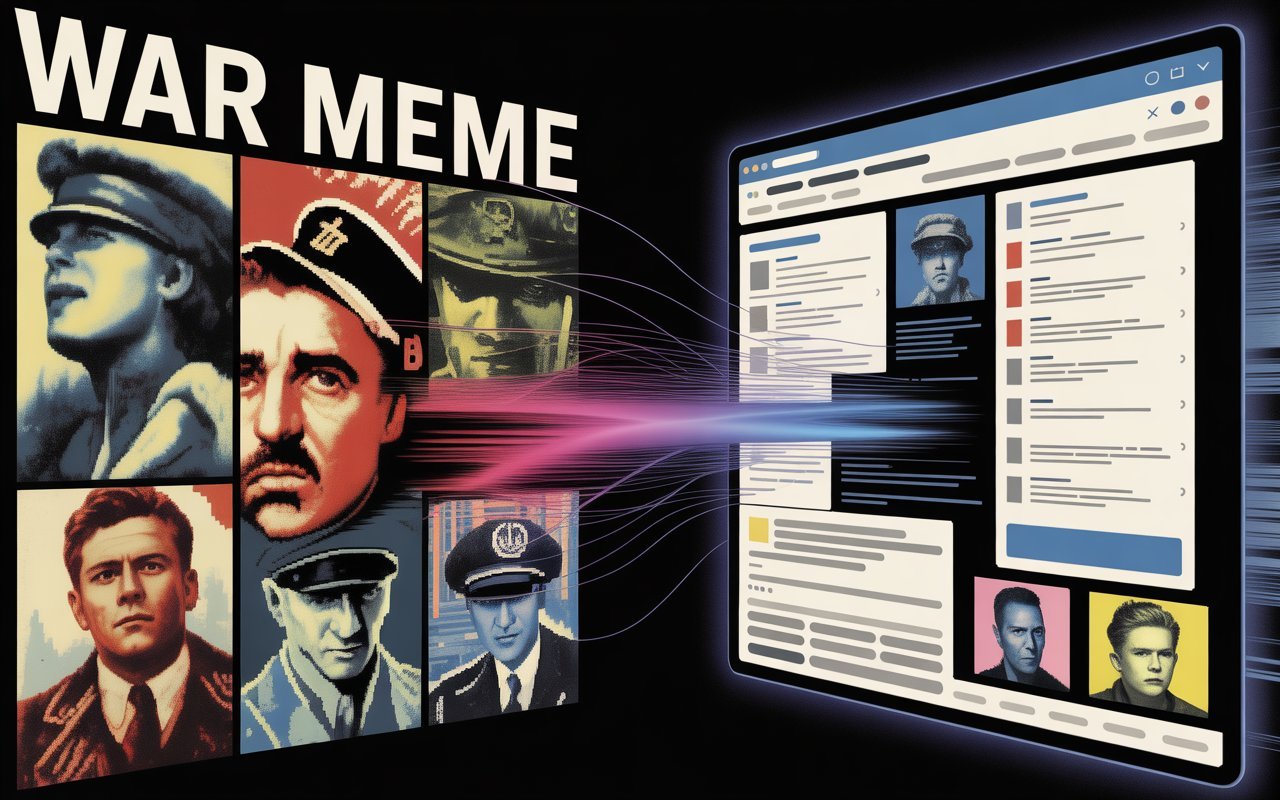
A war meme is a piece of internet humor—usually an image, video clip, or caption—that references military conflicts, historical battles, geopolitical tensions, or soldier experiences.
Memes often rely on simple visuals combined with witty text. For example, a famous movie scene might be edited with captions that relate to military strategy, politics, or global tensions. The humor usually comes from exaggeration, irony, or unexpected comparisons.
These jokes can take several forms:
Image macros
Short looping videos
Comic-style illustrations
Edited screenshots from movies or games
What makes them popular is their ability to communicate a complex idea quickly. Instead of reading a long explanation, viewers immediately understand the message through humor and imagery.
The Evolution of Memes in Internet Culture
To understand this phenomenon, it helps to look at how memes evolved. Internet humor began with simple image jokes on forums and early social platforms. Over time, memes became a universal form of digital communication.
Initially, most memes focused on everyday life. People joked about school, work, relationships, and technology. As online communities grew, the range of topics expanded—including politics, global events, and historical moments.
Today, memes act like a language of their own. A single image can represent an entire idea or opinion. In many cases, people use humor to comment on complex topics that might otherwise require long discussions.
This evolution reflects how digital culture adapts quickly to world events.
Why People Create Humor Around Serious Topics
It might seem strange that people joke about something as serious as conflict. However, psychologists have long noted that humor can help individuals cope with stress and uncertainty.
When people feel powerless about global events, joking can create a sense of control. Humor allows them to express feelings indirectly while connecting with others who feel the same way.
Consider it similar to laughing during a tense situation. The laughter doesn’t mean the problem isn’t serious—it simply helps people manage their emotions.
Online communities often use humor to:
Process difficult news
Share opinions safely
Reduce fear and anxiety
Build group identity
In this sense, humor becomes a social coping mechanism.
Popular Themes Found in War Memes
These internet jokes often revolve around recurring themes. Recognizing these themes helps explain why certain jokes go viral.
Historical References
Many memes draw inspiration from famous battles, generals, or military campaigns. By combining historical facts with modern humor, creators make educational content entertaining.
Strategy and Tactics
Some jokes compare everyday situations to military strategies. For example, students preparing for exams might be compared to soldiers planning a battle.
Political Commentary
Memes frequently reflect opinions about global tensions or diplomatic relations. Humor allows creators to express criticism or satire without writing lengthy arguments.
Gaming Influence
Military-themed video games also inspire meme culture. Screenshots from games are often edited to represent real-world scenarios.
The Role of Social Media in Meme Spread
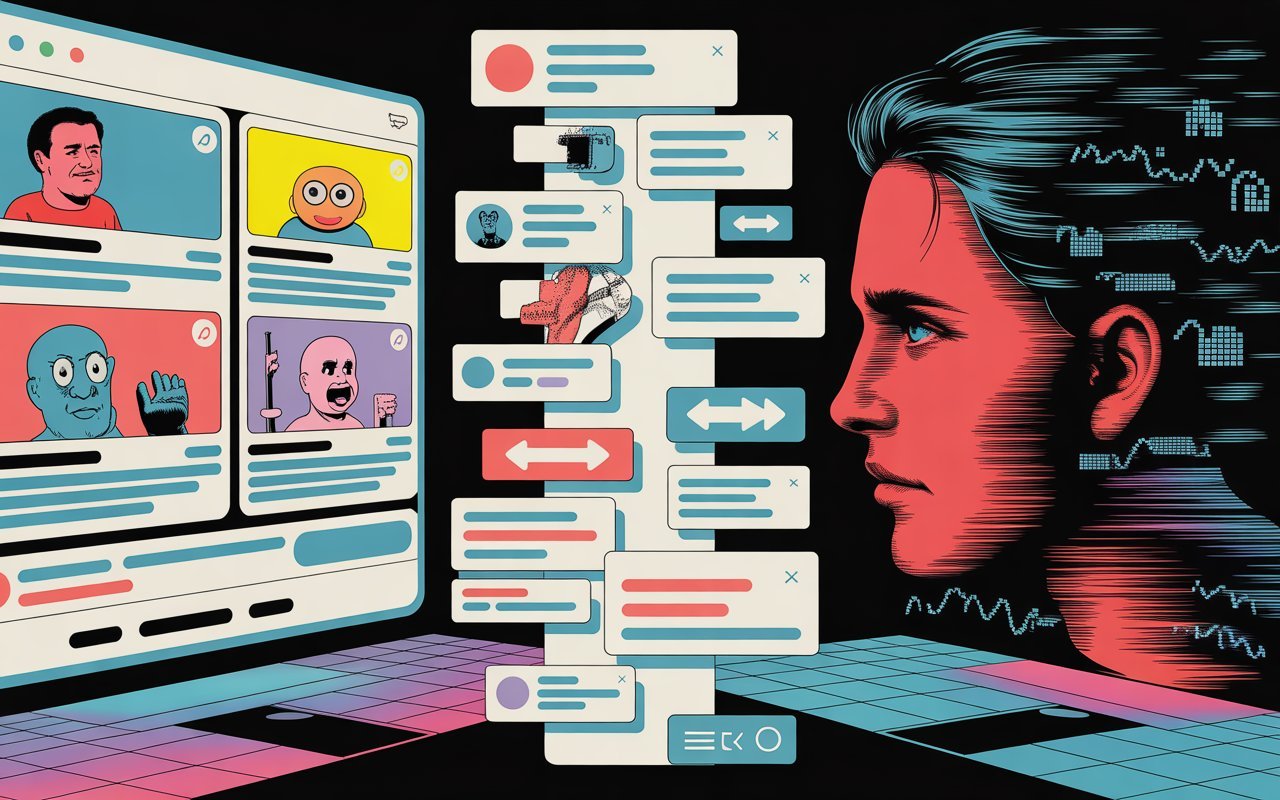
Social media platforms are the engines that power meme culture. A single humorous post can reach millions of people within hours.
Platforms like:
Instagram
Twitter
Reddit
TikTok
allow users to share content quickly and easily. When a meme resonates with viewers, they repost it, remix it, or create variations.
This rapid sharing creates a viral cycle. One joke can evolve into dozens of versions across different communities.
In this way, humor becomes a collaborative activity rather than a single creator’s work.
Humor as a Tool for Political Commentary
One of the most interesting aspects of meme culture is how it allows people to discuss politics. Instead of formal debates, many individuals share humorous images that reflect their viewpoints.
This style of commentary works because humor lowers barriers to conversation. People who might avoid serious political discussions often engage with memes.
At the same time, these jokes can shape public opinion. When a particular idea is repeated through humor, it becomes more familiar and easier to remember.
In other words, memes can influence how people interpret global events.
The Psychology Behind Memes and Humor
Why do memes make us laugh so easily? The answer lies in human psychology.
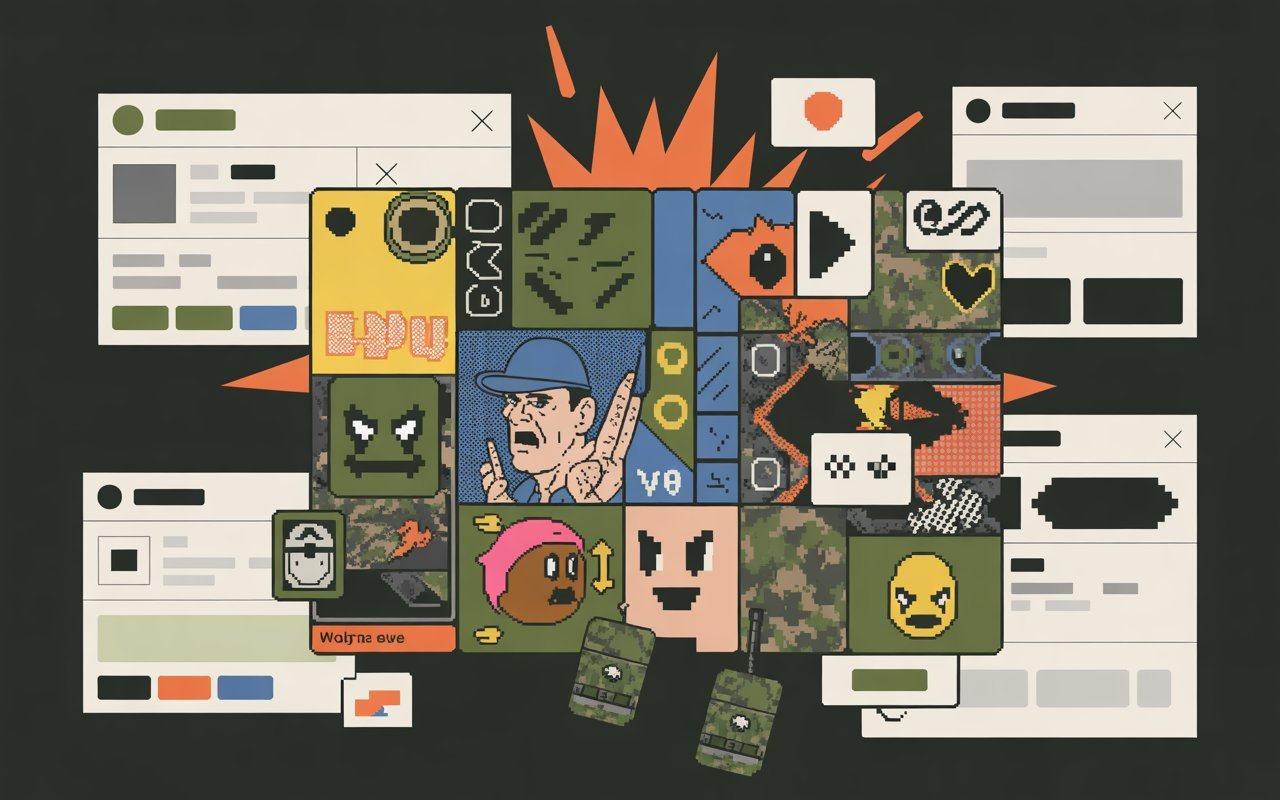
Humor often works through incongruity, meaning it surprises us with an unexpected twist. When an image or caption combines two unrelated ideas, our brains quickly recognize the contrast and respond with laughter.
For example, comparing a student group project to a military mission creates a humorous contrast between everyday life and serious strategy.
Additionally, memes encourage social bonding. When people share a joke online, they signal that they belong to a particular community or cultural group.
This sense of belonging is one reason memes spread so quickly.
Ethical Concerns and Sensitivity
While humor can help people cope, it also raises ethical questions. Some critics argue that jokes about conflict may trivialize serious events or disrespect those affected.
This concern highlights an important issue: context matters.
A joke that feels harmless to one audience might feel insensitive to another. Cultural background, personal experiences, and timing all influence how humor is perceived.
Responsible creators often try to balance humor with awareness, avoiding content that mocks real suffering.
The debate around this topic continues to shape how memes evolve online.
The Influence of Pop Culture and Movies
Movies, television shows, and video games play a significant role in shaping meme humor. Scenes from action films or historical dramas often become templates for new jokes.
For example, a dramatic battle scene might be edited with humorous captions that relate to everyday situations.
Pop culture provides familiar imagery that audiences instantly recognize. This familiarity makes memes easier to understand and share.
In many cases, viewers enjoy spotting references from their favorite movies or games within these jokes.
Educational Value Hidden in Humor
Surprisingly, humor related to military history can sometimes spark curiosity about real events. When people see a joke referencing a famous battle or strategy, they may search online to learn more about it.
This indirect learning can introduce audiences to historical topics they might not have explored otherwise.
For educators and historians, this phenomenon shows how digital culture can make learning more engaging.
While memes are not academic sources, they can act as starting points for deeper exploration.
The Future of War Memes in Digital Culture
As long as people continue using the internet to discuss global events, humor will remain part of the conversation. Meme culture evolves rapidly, adapting to new technologies, trends, and social platforms.
Artificial intelligence, video editing tools, and creative apps are making it easier than ever to produce humorous content.
Future memes may include:
Animated visuals
Interactive formats
AI-generated humor
Short-form video storytelling
What remains constant is the human desire to communicate through humor. Even in serious discussions, people often look for ways to add creativity and relatability.
FAQs
1. What is a war meme?
A war meme is an internet joke—usually an image, video, or caption—that references military conflicts, historical battles, or geopolitical tensions in a humorous way.
2. Why do people create memes about serious topics?
Humor often helps people cope with stress or uncertainty. Memes allow individuals to express opinions, share emotions, and discuss complex issues in a lighter format.
3. Are war memes meant to be offensive?
Not always. Many creators use satire or irony rather than mockery. However, the perception of humor depends on context and audience sensitivity.
4. Where are these memes most commonly shared?
They often appear on social media platforms such as Instagram, Twitter, Reddit, and TikTok, where users can quickly share and remix content.
5. Can memes teach people about history?
Yes, sometimes. While memes are not educational sources, they may spark curiosity and encourage people to research historical events or military strategies.
Conclusion
Humor has always been a part of human communication, and the internet has amplified its reach in ways never seen before. Through memes, people comment on current events, historical moments, and global tensions using images and short captions that spread rapidly across social platforms.
While some view these jokes purely as entertainment, they also reflect deeper cultural patterns. Humor can help individuals process difficult news, express opinions, and connect with others who share similar perspectives.
At the same time, creators and audiences must remain aware of the line between satire and insensitivity. Context, empathy, and awareness play important roles in shaping responsible humor.
Ultimately, memes demonstrate how digital culture transforms even the most serious topics into conversations that millions of people can participate in. Whether one sees them as comedy, commentary, or social expression, they reveal the powerful role humor plays in understanding our world.






![What Is Crypto Market Sentiment Analysis? [2026 Guide]](https://cryptomark.co.uk/wp-content/themes/vinkmag/assets/images/default_thumb.jpg)

 Bitcoin
  Ethereum
  Tether
  BNB
BNB  XRP
XRP  USDC
USDC  Solana
  TRON
TRON  Figure Heloc
  Lido Staked Ether
  Zcash
Zcash  Hyperliquid
  Dogecoin
  Monero
  USDS
USDS  Wrapped stETH
  WhiteBIT Coin
  Chainlink
  Wrapped Bitcoin
  Cardano
  Binance Bridged USDT (BNB Smart Chain)
  LEO Token
  Wrapped Beacon ETH
  Rain
Rain  Stellar
  NEAR Protocol
  Wrapped eETH
  Bitcoin Cash
  Litecoin
  Ethena USDe
  sUSDS
sUSDS  Canton
  Uniswap
  Coinbase Wrapped BTC
  Avalanche
  Dai
Dai  Blockchain USD
  Sui
Sui  WETH
WETH  USD1
USD1  Hedera
  Gram (prev. Toncoin)
  USDT0
USDT0  Bitway
  Quant
Quant  Tether Gold
  Global Dollar
  Shiba Inu
  Bittensor
  Cronos