
 admin
admin Have you ever looked up at the Moon and wondered if it could one day become more than just a glowing object in the night sky? What if it turned into a place where businesses operate, people work, and economies thrive? That idea might sound like science fiction, but the concept of a moon market is slowly becoming a real possibility.
Think of the Moon as a new continent—like the early days when explorers discovered new lands on Earth. Back then, people saw opportunity. Today, the Moon represents a similar frontier, full of untapped potential. From mining rare resources to building space tourism, the lunar economy could change how we live and work in the future.
What Is the Moon Market?
Understanding the Concept
The moon market refers to economic activities that take place on or around the Moon. This includes industries like mining, construction, research, tourism, and even trade between Earth and space.
In simple terms, it’s about turning the Moon into a place where money flows, services are offered, and goods are produced.
The Idea Behind a Lunar Economy
From Imagination to Reality
For decades, the Moon was just a symbol of exploration. But now, it’s becoming a serious target for economic expansion. Governments and private companies see it as the next step after Earth-based industries.
Why now? Because technology has finally reached a point where reaching and operating on the Moon is becoming more practical and less expensive.
Why the Moon Matters for Business
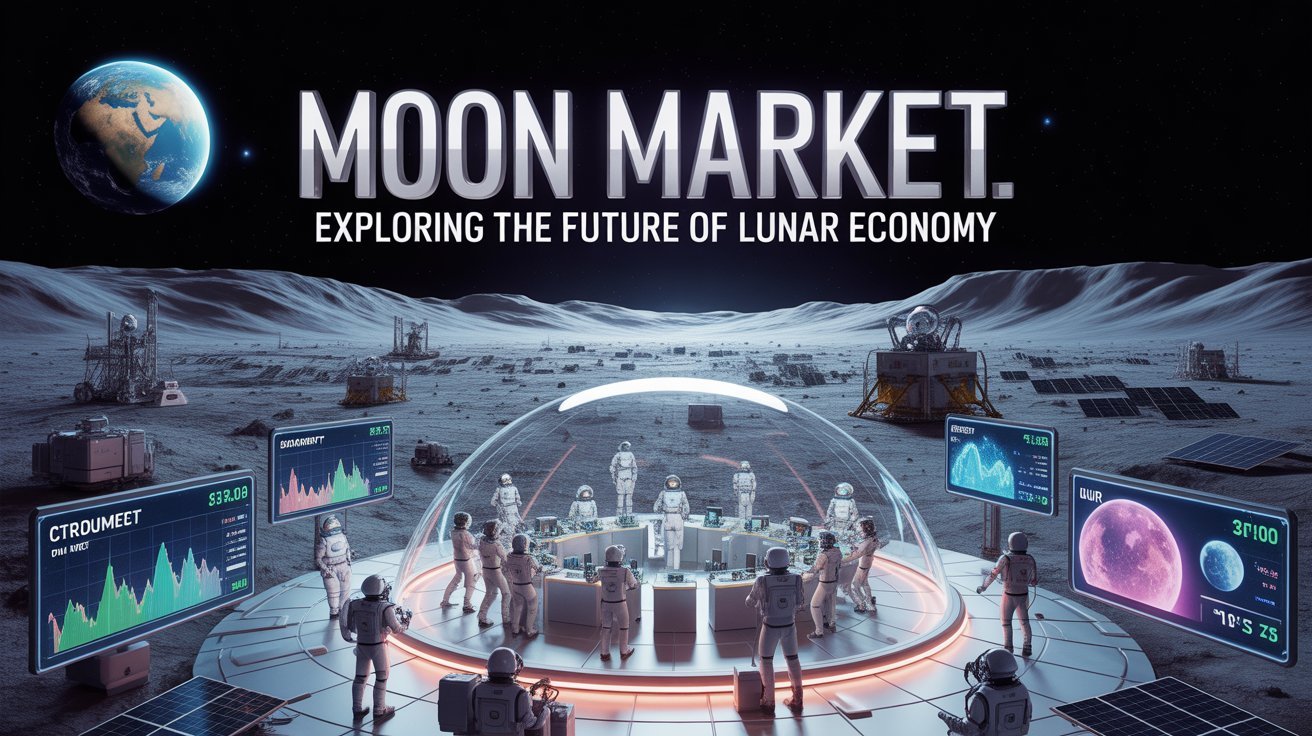
A New Frontier of Opportunity
The Moon offers something unique—resources and space that Earth cannot provide anymore. Imagine running out of land or materials on Earth; the Moon could be the backup plan.
Key advantages include:
Abundant natural resources
Low gravity for easier launches
Strategic location for deep space missions
It’s like opening a brand-new marketplace with no competition—yet.
Key Industries in the Moon Market
Where the Money Could Flow
Several industries are expected to shape the moon market:
Mining
The Moon contains valuable materials like helium-3, which could be used for clean energy.
Tourism
Yes, space vacations might become a reality. Imagine spending your holiday looking at Earth from the Moon.
Construction
Building habitats, research stations, and infrastructure will be essential.
Research
Scientists can conduct experiments that are impossible on Earth due to gravity and atmosphere.
Technology Powering Lunar Growth
The Tools Making It Possible
Without advanced technology, the moon market would remain a dream. Key innovations include:
Reusable rockets
Autonomous robots
3D printing using lunar soil
Advanced communication systems
These technologies act like the foundation of a house—without them, nothing can stand.
Investment Opportunities
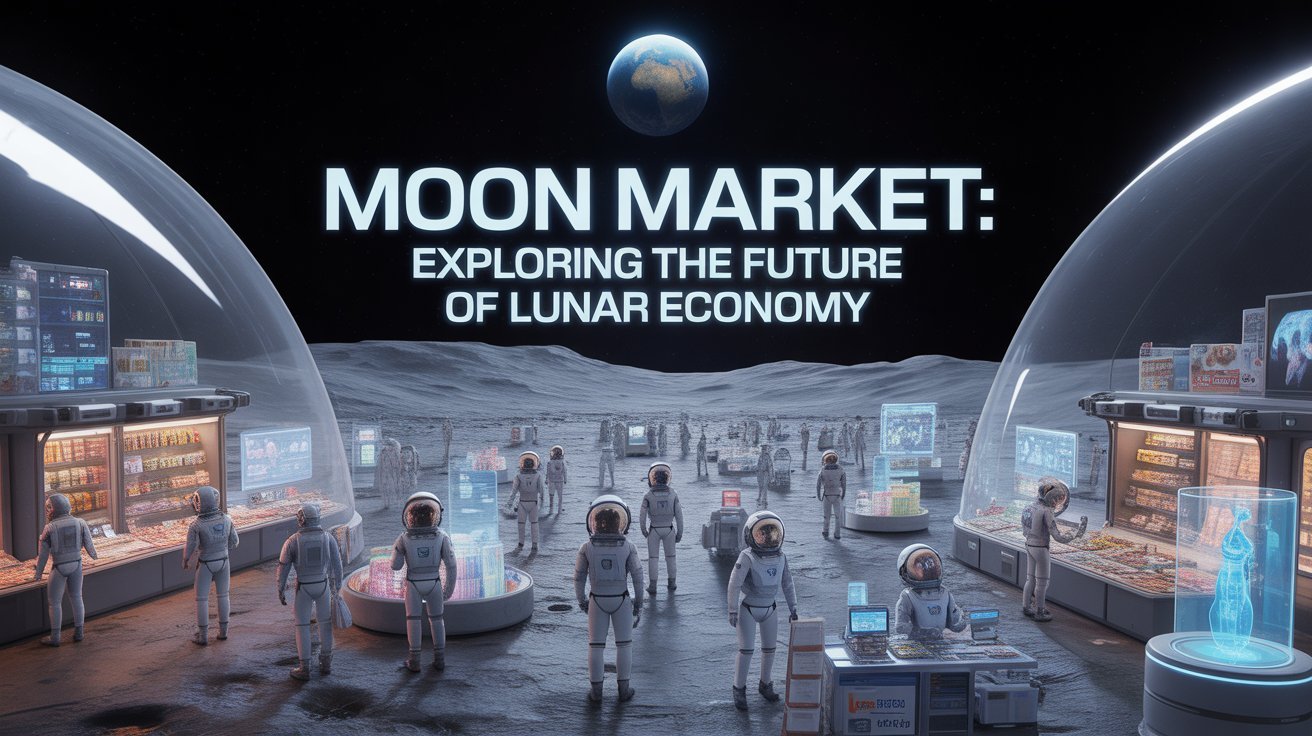
Where Smart Money Is Going
Investors are starting to see the Moon as a long-term opportunity. Just like early internet investments paid off, lunar ventures could offer huge returns.
Areas attracting investment:
Space transportation
Resource extraction
Infrastructure development
But remember, like any new market, it comes with risks.
Challenges of Building a Moon Market
Not as Easy as It Sounds
Let’s face it—creating a functioning economy on the Moon is far from an easy task.
Major challenges include:
High costs
Harsh environment
Limited human presence
Technical failures
It’s like trying to build a city in a desert—but much harder.
Legal and Ownership Questions
Who Owns the Moon?
Here’s a tricky question: Can anyone actually own land on the Moon?
Current international agreements say that no country can claim ownership. But as businesses get involved, new laws may be needed.
This uncertainty creates both opportunities and risks.
Role of Private Companies
Driving Innovation
Private companies are playing a major role in turning the moon market into reality. They bring speed, innovation, and investment that governments alone cannot provide.
Their goals include:
Building transport systems
Setting up lunar bases
Developing commercial services
In many ways, they are the pioneers of this new economy.
Impact on Earth’s Economy
A Ripple Effect
The moon market won’t just stay in space—it will affect life on Earth too.
Possible impacts:
Creation of new industries
Job opportunities
Technological advancements
Economic growth
It’s like planting a seed in space that grows roots back on Earth.
Future Jobs in the Moon Market
Careers Beyond Earth
Ever thought about working on the Moon?
Future jobs might include:
Space engineers
Lunar architects
Robotics specialists
Space tourism guides
The idea of a “9-to-5 job” might soon include a view of Earth from space.
Environmental Considerations
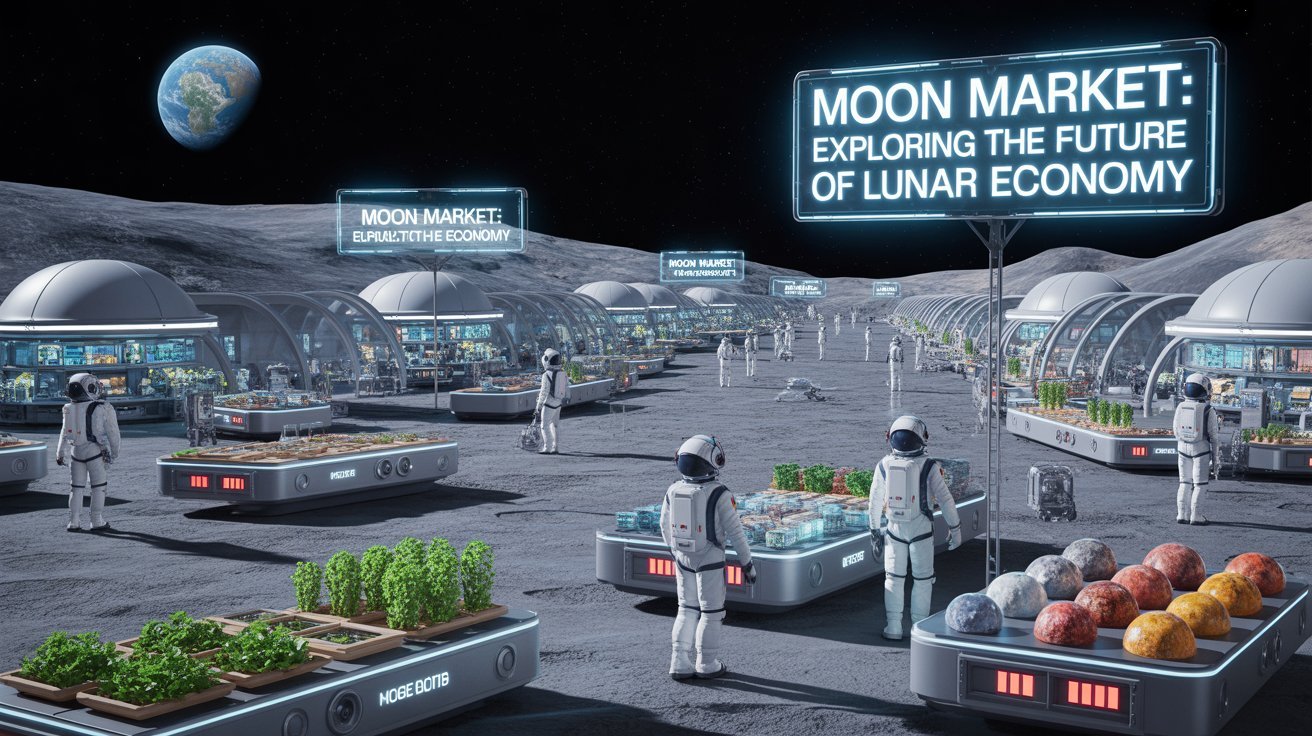
Protecting Space
Just like we worry about pollution on Earth, we must think about the Moon too.
Key concerns:
Space debris
Resource overuse
Impact on lunar environment
We have a chance to do things differently this time—more responsibly.
Timeline: When Will It Happen?
How Close Are We?
The moon market won’t appear overnight. It will grow step by step:
Short-term (5–10 years): Research missions and initial bases
Mid-term (10–20 years): Commercial activities begin
Long-term (20+ years): Full-scale lunar economy
So yes, it’s coming—but patience is key.
How Individuals Can Get Involved
Your Role in the Future
You may be wondering, “How does this actually relate to my life?”
More than you think.
Ways to get involved:
Learn about space technology
Invest in related companies
Build skills in science or engineering
Stay informed about developments
The moon market isn’t just for astronauts—it’s for everyone willing to look ahead.
FAQs
1. What is meant by the moon market?
The moon market refers to economic activities such as mining, tourism, and research conducted on or around the Moon.
2. Why is the Moon important for future business?
The Moon offers valuable resources, strategic location, and new opportunities for industries that cannot expand further on Earth.
3. Can people live and work on the Moon?
In the future, yes. Scientists and engineers are working on technologies to support human life and work on the Moon.
4. Is investing in the moon market risky?
Yes, like any emerging market, it carries risks due to high costs and uncertainty, but it also offers high potential rewards.
5. When will the moon market become a reality?
It is expected to develop gradually over the next 10 to 30 years, starting with research and moving toward commercial activities.
Conclusion
The idea of a moon market may sound futuristic, but it’s quickly moving toward reality. Just like the internet transformed our lives in ways we never imagined, the Moon could open doors to opportunities we can’t fully predict yet.
It’s not just about space—it’s about expanding human potential. Whether through new jobs, technologies, or industries, the lunar economy could redefine what’s possible.
So next time you look at the Moon, ask yourself: Is that just a distant object, or the next big marketplace?




 Bitcoin
  Ethereum
  Tether
  XRP
XRP  BNB
BNB  USDC
USDC  Solana
  TRON
TRON  Lido Staked Ether
  Figure Heloc
  Dogecoin
  USDS
USDS  WhiteBIT Coin
  Hyperliquid
  Cardano
  Wrapped stETH
  LEO Token
  Bitcoin Cash
  Wrapped Bitcoin
  Chainlink
  Binance Bridged USDT (BNB Smart Chain)
  Zcash
Zcash  Wrapped Beacon ETH
  Monero
  Ethena USDe
  Canton
  Wrapped eETH
  Stellar
  MemeCore
  sUSDS
sUSDS  Dai
Dai  Litecoin
  USD1
USD1  Coinbase Wrapped BTC
  Avalanche
  PayPal USD
  Rain
Rain  WETH
WETH  Hedera
  Sui
Sui  Toncoin
  USDT0
USDT0  Shiba Inu
  Cronos
  Circle USYC
  Tether Gold
  Bittensor
  World Liberty Financial
  BlackRock USD Institutional Digital Liquidity Fund
  Ethena Staked USDe