
 admin
admin Have you ever felt like managing money is a lot like trying to balance on a surfboard in the middle of the ocean? One moment you’re steady, and the next, a wave knocks you off balance. That’s exactly where the idea of a “finance surfboard” comes in—a simple, relatable way to understand how to stay afloat in the ever-changing world of money.
Instead of feeling overwhelmed by complex financial terms, imagine yourself riding waves—adjusting, balancing, and learning as you go. Sounds easier, right? Let’s break it down and help you glide smoothly toward financial stability.
Understanding the Finance Surfboard Concept
Think of your finances as a surfboard. You stand on it, trying to balance while waves (expenses, income changes, emergencies) keep coming your way.
If your board is strong and you know how to ride it, you stay upright. If not, you fall. Simple.
The idea here isn’t perfection—it’s learning how to adjust.
Why Money Feels Like Ocean Waves
Money is unpredictable. One day everything is calm, and the next, you’re hit with sudden expenses.
Life events act like waves:
- Job changes
- Medical emergencies
- Unexpected bills
Instead of fearing these waves, the goal is to learn how to ride them.
Building Your Financial Balance
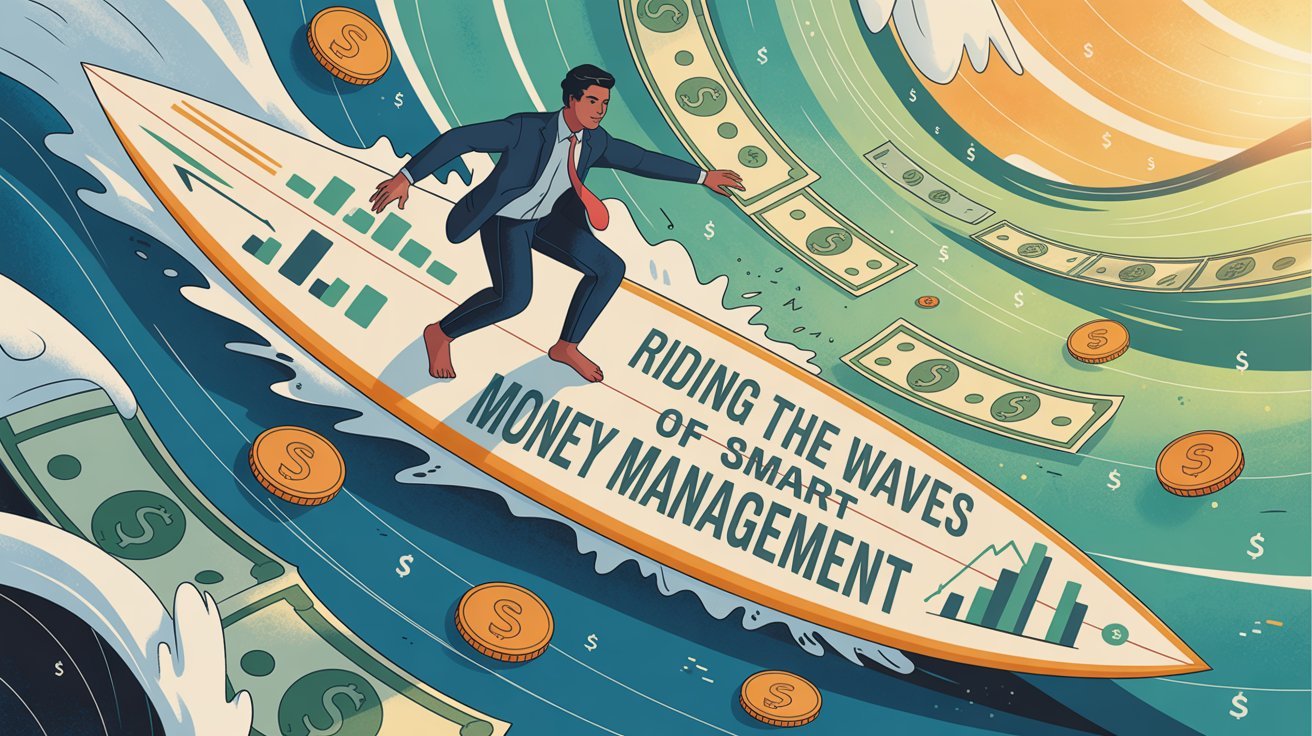
Balance is everything. Without it, even small waves can knock you down.
Key elements of balance:
- Spending less than you earn
- Keeping emergency funds
- Avoiding unnecessary risks
Ask yourself: Am I stable, or just surviving?
Income: Your First Wave
Your income is the wave that pushes you forward. Without it, there’s no movement.
Ways to strengthen your income:
- Learn new skills
- Take side gigs
- Improve career opportunities
The stronger your wave, the easier it is to stay on your board.
Expenses: The Pull of the Tide
Expenses are like the tide—they constantly pull money away.
Common expense traps:
- Impulse buying
- Lifestyle inflation
- Subscription overload
You don’t need to cut everything. Just make sure your tide doesn’t pull you under.
Saving: Your Safety Net
Even the best surfers fall. That’s why saving is your safety net.
Why saving matters:
- Covers emergencies
- Reduces stress
- Builds confidence
Start small if needed. Even a little cushion can keep you afloat.
Investing: Catching Bigger Waves
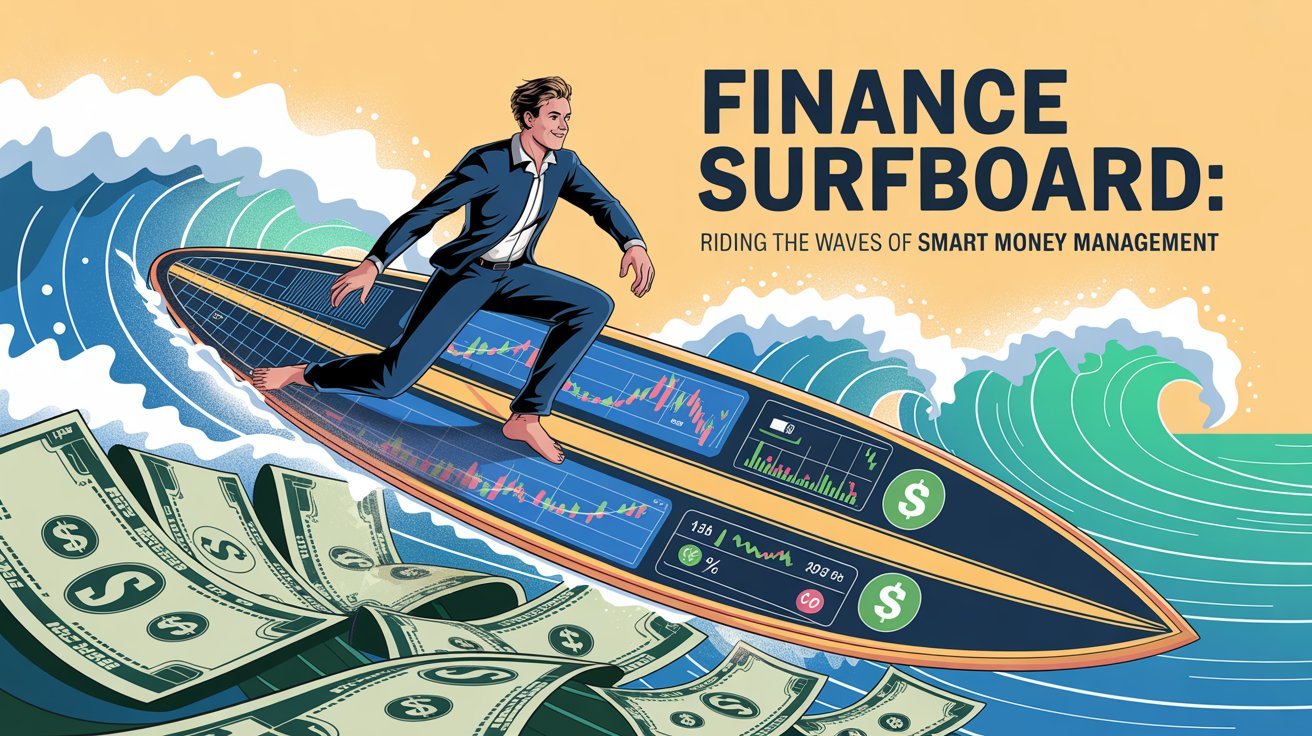
If saving keeps you safe, investing helps you move forward faster.
Think of it as catching bigger waves that take you further.
Simple investment ideas:
- Stocks
- Mutual funds
- Real estate
But remember—bigger waves come with more risk.
Risk Management: Avoiding Wipeouts
No one wants a hard fall. That’s where risk management comes in.
Protect yourself by:
- Having insurance
- Diversifying investments
- Avoiding “too good to be true” schemes
A smart surfer knows when to ride—and when to step back.
Debt Control: Staying Above Water
Debt can feel like being pulled underwater.
Healthy vs unhealthy debt:
- Good: Education, business growth
- Bad: High-interest credit, unnecessary spending
Keep your head above water by managing repayments wisely.
Financial Goals: Choosing Your Direction
Without a direction, you’re just drifting.
Set clear goals:
- Short-term: Saving for gadgets or travel
- Medium-term: Buying a car
- Long-term: Retirement
Goals act like your compass in the ocean.
Mindset: The Surfer’s Confidence
Your mindset matters more than you think.
A strong mindset means:
- Staying calm during financial stress
- Learning from mistakes
- Being patient
Confidence helps you ride even the toughest waves.
Tools That Help You Stay Balanced
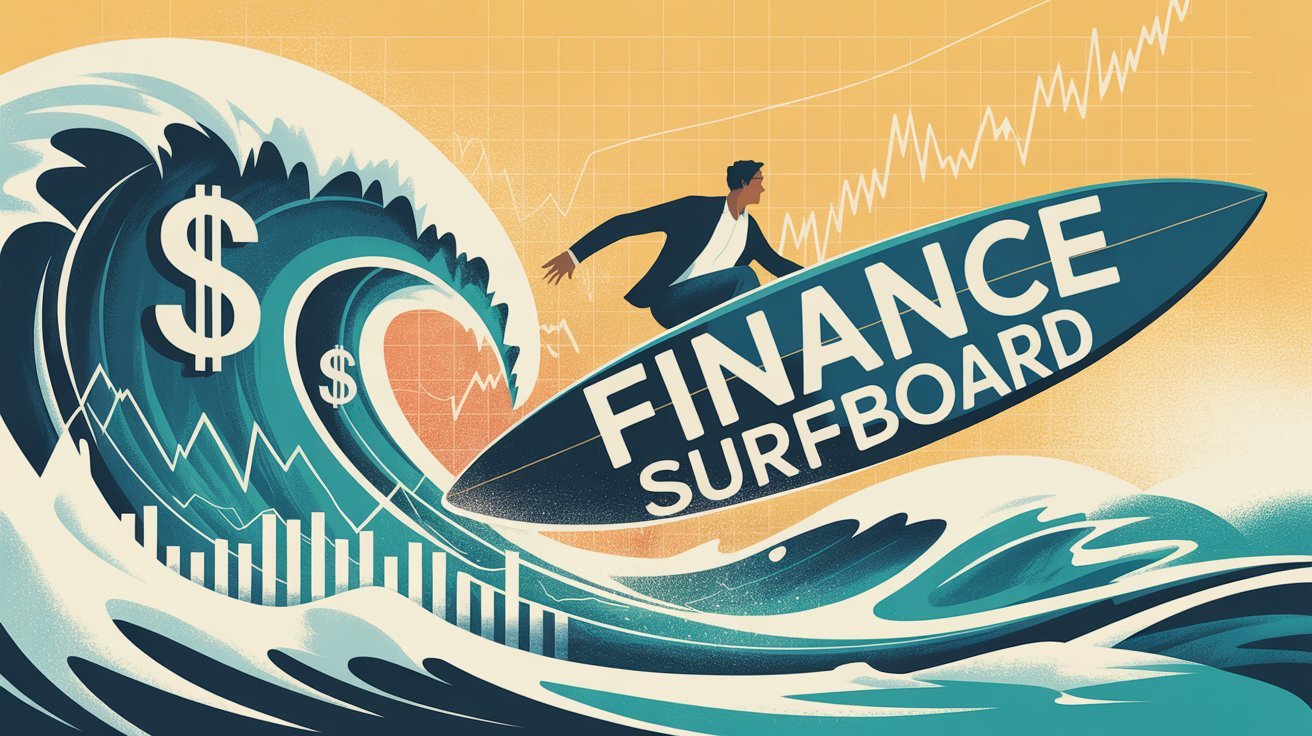
You don’t have to do everything manually.
Helpful tools:
- Budgeting apps
- Expense trackers
- Investment platforms
These tools act like fins on your surfboard—giving you better control.
Common Mistakes to Avoid
Even experienced surfers make mistakes.
Watch out for:
- Ignoring savings
- Overspending
- Following hype trends
Steering clear of errors is just as crucial as making smart financial decisions.
Long-Term Stability and Growth
The goal isn’t just survival—it’s growth.
Over time, your financial surfboard becomes stronger:
- More savings
- Better investments
- Less stress
You move from struggling to confidently riding the waves.
FAQs
1. What is a finance surfboard concept?
It’s a simple way to understand money management by comparing it to surfing—balancing income, expenses, savings, and risks.
2. Why is balancing finances important?
When your finances are out of balance, it can quickly lead to debt, anxiety, and instability—much like losing your footing and crashing off a surfboard.
3. How can beginners start managing money effectively?
Start with budgeting, saving small amounts, and tracking expenses regularly.
4. Is investing necessary for financial growth?
Yes, investing helps your money grow over time, but it should be done carefully with proper understanding.
5. How can I avoid financial mistakes?
Stay informed, avoid impulsive decisions, and always plan before spending or investing.
Conclusion
Managing money doesn’t have to feel overwhelming. When you think of it as riding a surfboard, everything becomes clearer—you balance, adjust, and improve with time.
There will always be waves. Some small, some massive. But with the right mindset, habits, and tools, you won’t just survive—you’ll enjoy the ride.
So, the real question is: Are you ready to ride your financial waves?





 Bitcoin
  Ethereum
  Tether
  BNB
BNB  XRP
XRP  USDC
USDC  Solana
  TRON
TRON  Lido Staked Ether
  Figure Heloc
  Dogecoin
  USDS
USDS  WhiteBIT Coin
  Hyperliquid
  LEO Token
  Wrapped stETH
  Cardano
  Bitcoin Cash
  Wrapped Bitcoin
  Chainlink
  Binance Bridged USDT (BNB Smart Chain)
  Monero
  Wrapped Beacon ETH
  Zcash
Zcash  Ethena USDe
  Canton
  Wrapped eETH
  Stellar
  MemeCore
  sUSDS
sUSDS  Dai
Dai  Litecoin
  USD1
USD1  Coinbase Wrapped BTC
  Avalanche
  PayPal USD
  Rain
Rain  WETH
WETH  Hedera
  Sui
Sui  Shiba Inu
  USDT0
USDT0  Toncoin
  Cronos
  Circle USYC
  Tether Gold
  Bittensor
  World Liberty Financial
  BlackRock USD Institutional Digital Liquidity Fund
  Ethena Staked USDe